Dakar Future Mission 1000

Dakar Future Mission 1000 :

Dakar Misision 1000 Truck

The Dakar Future Mission 1000 is a new initiative introduced as part of the Dakar Future programme. This mission offers constructors an opportunity to test vehicles with innovative technologies on Dakar terrain. The challenge will run for 100 km separate from the stages, adding up to 1,000 km.

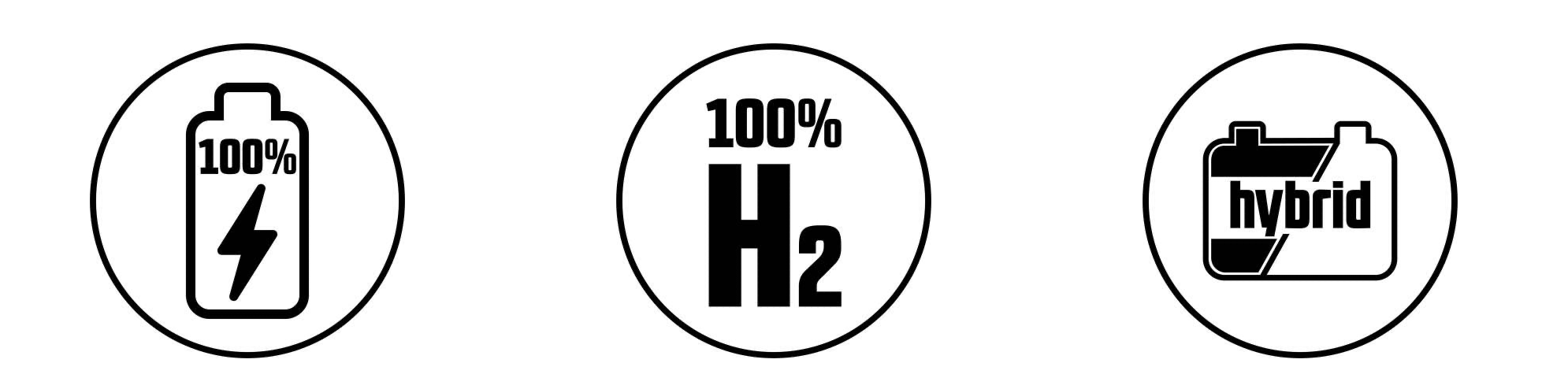
Three engine types have been selected for Mission 1000: fully electric, fully hydrogen-powered, and hybrid technology. Entrants need to complete the entire route to score a grand total of 100 points in the challenge and will lose points for each unfinished stage.
Dakar Future Mission 1000

Vehicles will be awarded points for driving skills depending on how their actual performances stack up against the established reference time. There are three modes: Eco Mode (+ 10% over the reference time and beyond), Normal Mode (within 5% of the reference time), and Sport Mode (−10% and under). Each mode awards different points.

In addition to this, there’s a unique timed challenge called “Launch Control” where the vehicles will break into a 100 m sprint from a standing start. The top-ranked entrant in each of the car and motorbike categories will be awarded 10 bonus points.
Read more

2025 Dakar Rally Announced

2025 Dakar Rally Announced :

2025 Dakar Rally Route

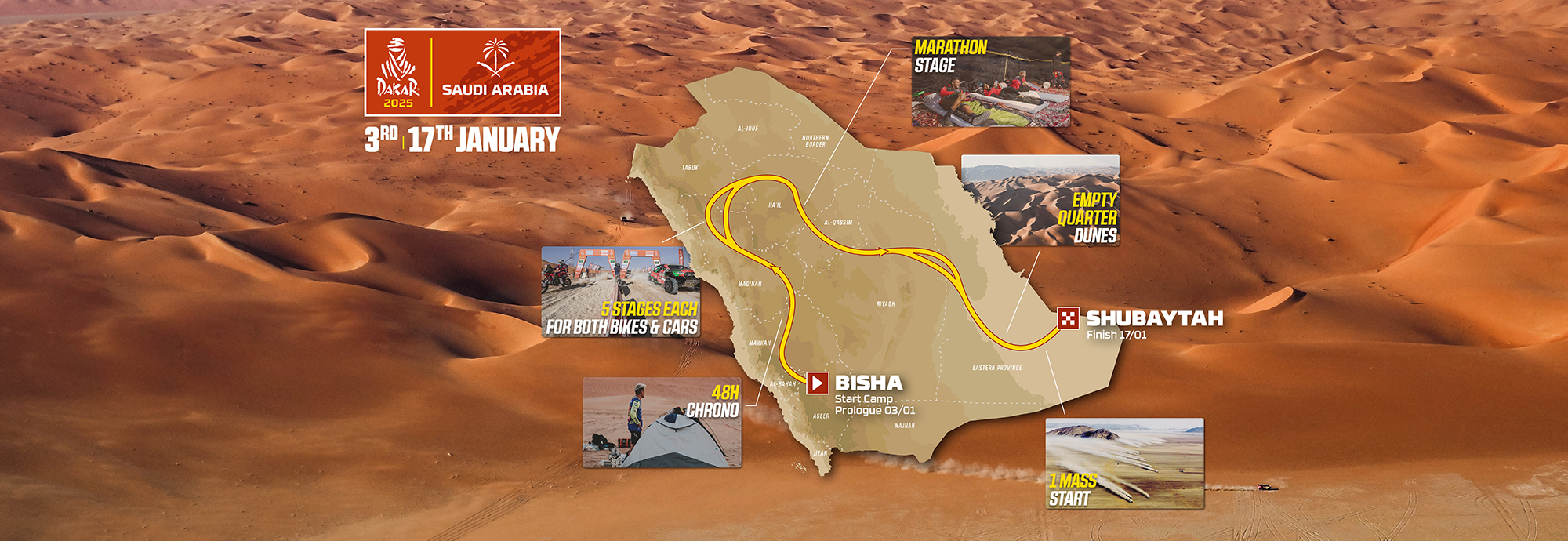
The 2025 Dakar Rally, the world’s most grueling and prestigious off-road endurance race, is set to take place from January 3rd to 17th, 2025. This year’s rally promises to be a thrilling spectacle, with several new features designed to challenge the competitors and captivate the audience.

2025 Dakar Rally Changes :

The first major change is the increased emphasis on navigation. The organizers have decided to make the rally more challenging by adding more navigation stages. This means that the competitors will need to rely more on their navigational skills and less on speed. This change is expected to level the playing field and make the race more unpredictable and exciting.

The second major change is the separation of stages for cars, bikes, and trucks. This is a significant departure from previous years, where all vehicles competed on the same stages. The separation of stages is expected to make the race safer and more competitive, as each class of vehicle will have stages designed specifically for them.

The 2025 Dakar Rally will also feature a mass start, a 48-hour Chrono stage, and a marathon stage. The mass start will see all competitors start the race at the same time, creating a thrilling spectacle for the spectators. The 48-hour Chrono stage will test the endurance and resilience of the competitors, as they will have to race non-stop for two days. The marathon stage, on the other hand, will be a test of the competitors’ mechanical skills, as they will have to service their vehicles without any assistance from their teams.

Read more