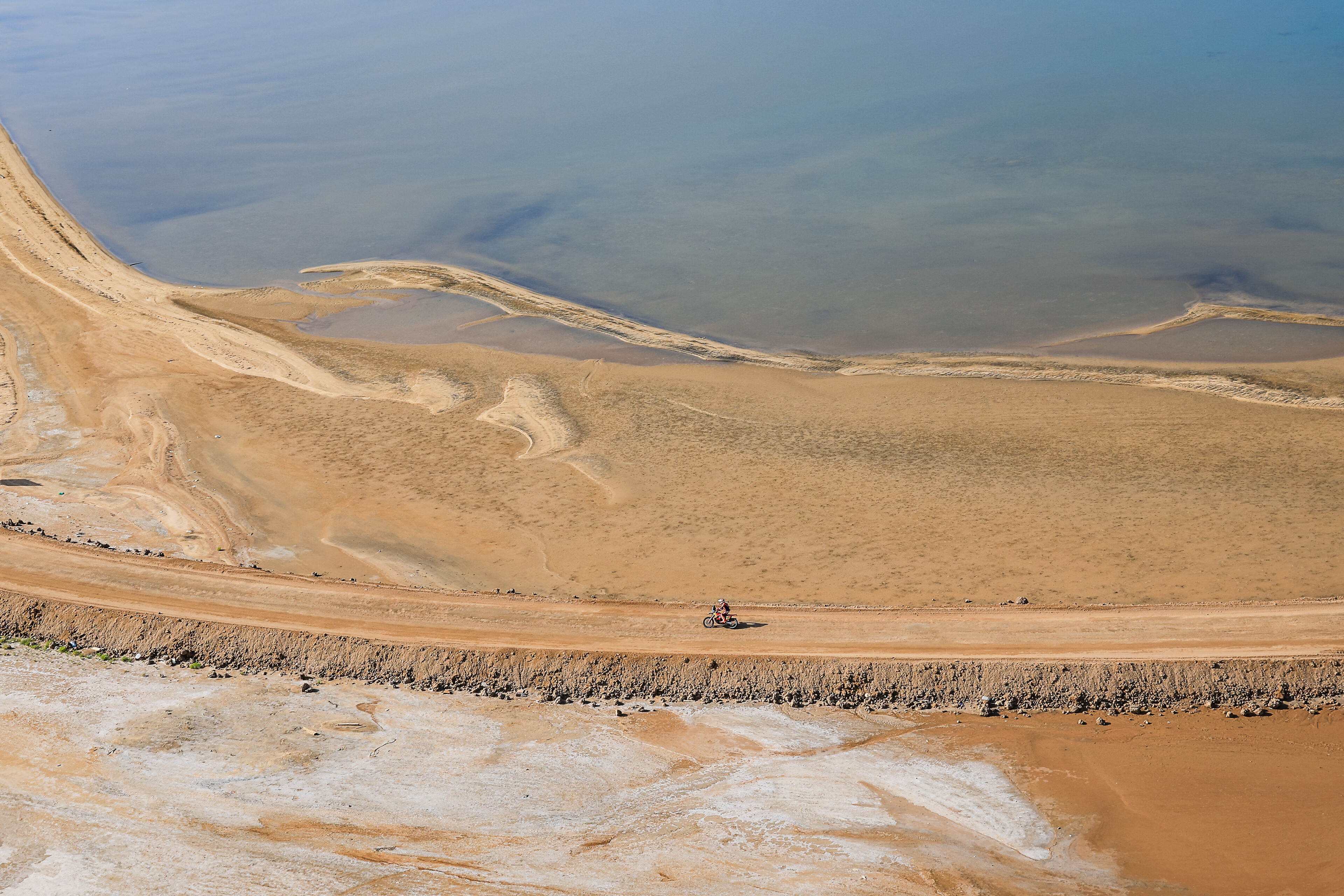
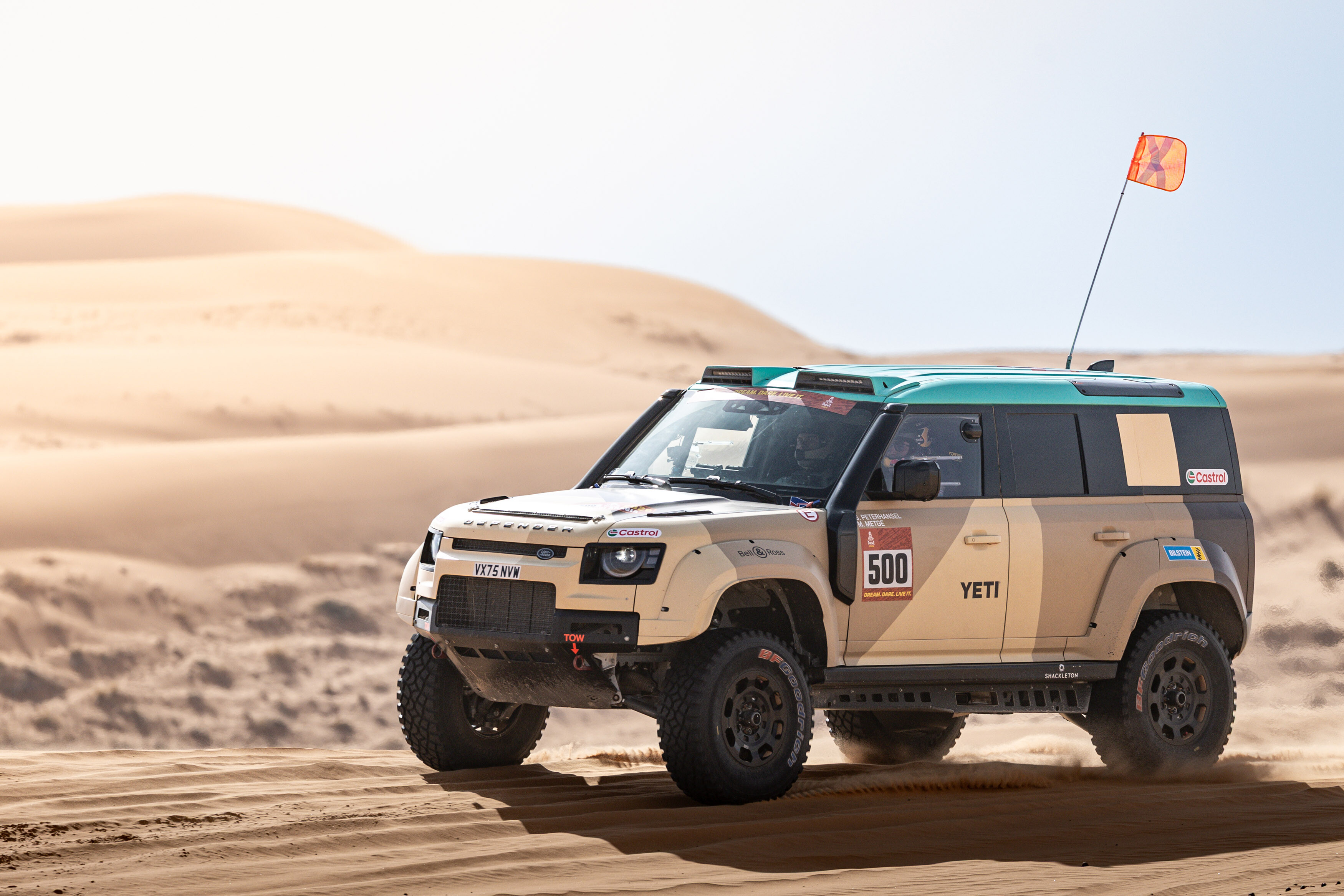
After a frenetic first week of navigation tests, marathon challenges and multiple leaderboard shakeups, the 48th Dakar Rally charged into its second week with everything still to play for. With dunes raising temperatures and spirits alike, the second marathon stage and final five specials delivered drama, strategy, heartbreak and history – true to the spirit that has made Dakar the world’s toughest motorsport adventure.
Official results and standings are taken from the Dakar website and verified race reporting.
As the dust settles over Riyadh for the traditional mid-point Rest Day, the 2026 Dakar Rally has already lived up to its reputation as the world’s most gruelling race. From the labyrinthine canyons of AlUla to the daunting dunes of the Empty Quarter, the first week has been a masterclass in survival, navigation, and raw speed.
Here is the TBNI.Blog mid-rally report on the state of play as we head into the decisive second week.
Official results and standings are taken from the Dakar website and verified race reporting.
The first half of the 2026 edition has been defined by the razor-thin margins in the Motorbike category and a changing of the guard in the Cars. While the heavy hitters have largely kept their machines in one piece, the “Marathon” stages have already claimed several high-profile victims.
The story of the week is undoubtedly the resurgence of Daniel “Chucky” Sanders. After a victory in 2025, the Australian has shown immense composure, fending off a ferocious four-pronged attack from the Monster Energy Honda HRC squad. In the Car category, the debut of The Dacia Sandriders has turned the leaderboard on its head, with Nasser Al-Attiyah proving that a new manufacturer doesn’t mean a slower pace.
One of the more exciting events in motorsports is coming. The perfect way to bring in the New Year! The 48th Edition of the Dakar is about to start!
The Start Ramp and Prologue will be held on Saturday 3rd January 2026, with Stage 1 taking place on Sunday 4th January 2026.
The Dakar is one of the, if not the, most famous endurance races on the planet and with everything from bikes to trucks taking on one of the toughest navigation rallies ever conceived there is something for every genre of motorsport fan.
This year the route has been described by the Dakar Organisation as :
With the 2026 edition’s route, we are certainly at the highest standards, as the record for kilometres covered in special stages, in the time the rally has been held in Saudi Arabia, will be nearly matched. Drivers and crews will not escape fatigue, and they must also demonstrate their skill in handling all types of sand, and tracks of all kinds. On the other hand, the decision to reduce the number of bivouacs means they will be greeted by support teams that are more often rested and ready to go as soon as they arrive. Along with the variety of challenges, a concern for balance also guided the route’s design. Therefore, the introduction of a new variant of marathon stages, with an overnight stay in a bivouac, required that one be set up in the middle of each week of the race. Similarly, intense stages are followed by opportunities to take a breather on both sides of the rest day, while not striving for absolute symmetry.
YANBU, A REGULAR STOP Dakar competitors became acquainted with Yanbu in the final stretch of the 2021 edition. And it was also near this town that the first Sea Camp was established in 2023, adopting the concept of an XXL bivouac that brought together all the event’s participants in one location in the days leading up to the race. Since then, Yanbu has also hosted the final stage of the 2024 Dakar Rally. It is now the starting point for a vast loop, which will end as it begins: to the sound of the gentle lapping of the Red Sea waves.
The 2025 Dakar has come to an end following a dramatic two weeks of racing across every class. A two week period that saw bikes, cars and trucks cross the desert in a race, which is for most, simply to reach the finish line – which saw some of the sports biggest teams and names fail to cross the finish line after incidents including crashes, retirements and even FIA instigated withdrawals.
The highlight reel for the 2025 Dakar can be found here :
The Dakar Future Mission 1000 is a new initiative introduced as part of the Dakar Future programme. This mission offers constructors an opportunity to test vehicles with innovative technologies on Dakar terrain. The challenge will run for 100 km separate from the stages, adding up to 1,000 km.
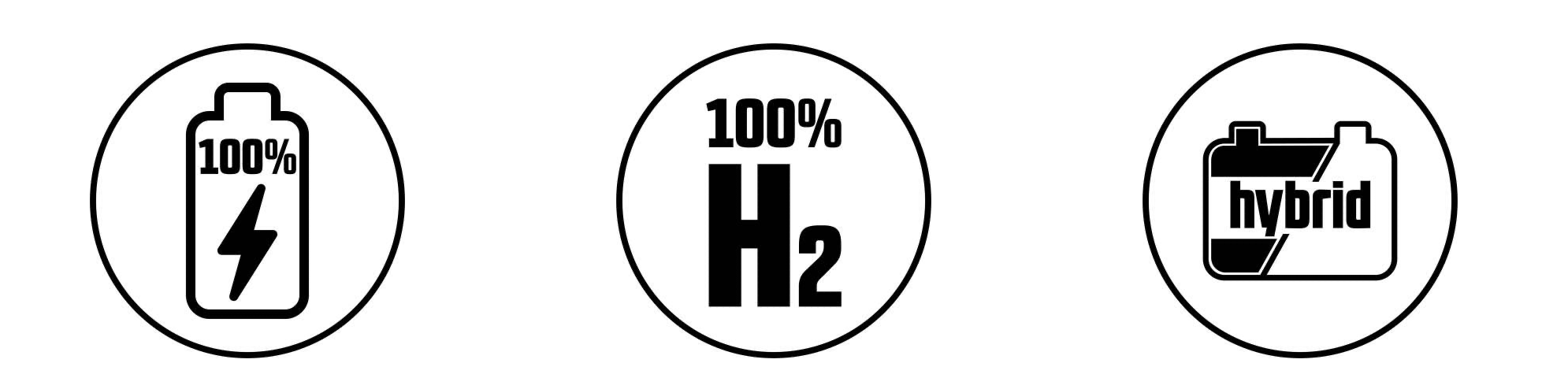
Three engine types have been selected for Mission 1000: fully electric, fully hydrogen-powered, and hybrid technology. Entrants need to complete the entire route to score a grand total of 100 points in the challenge and will lose points for each unfinished stage.
Vehicles will be awarded points for driving skills depending on how their actual performances stack up against the established reference time. There are three modes: Eco Mode (+ 10% over the reference time and beyond), Normal Mode (within 5% of the reference time), and Sport Mode (−10% and under). Each mode awards different points.
In addition to this, there’s a unique timed challenge called “Launch Control” where the vehicles will break into a 100 m sprint from a standing start. The top-ranked entrant in each of the car and motorbike categories will be awarded 10 bonus points.
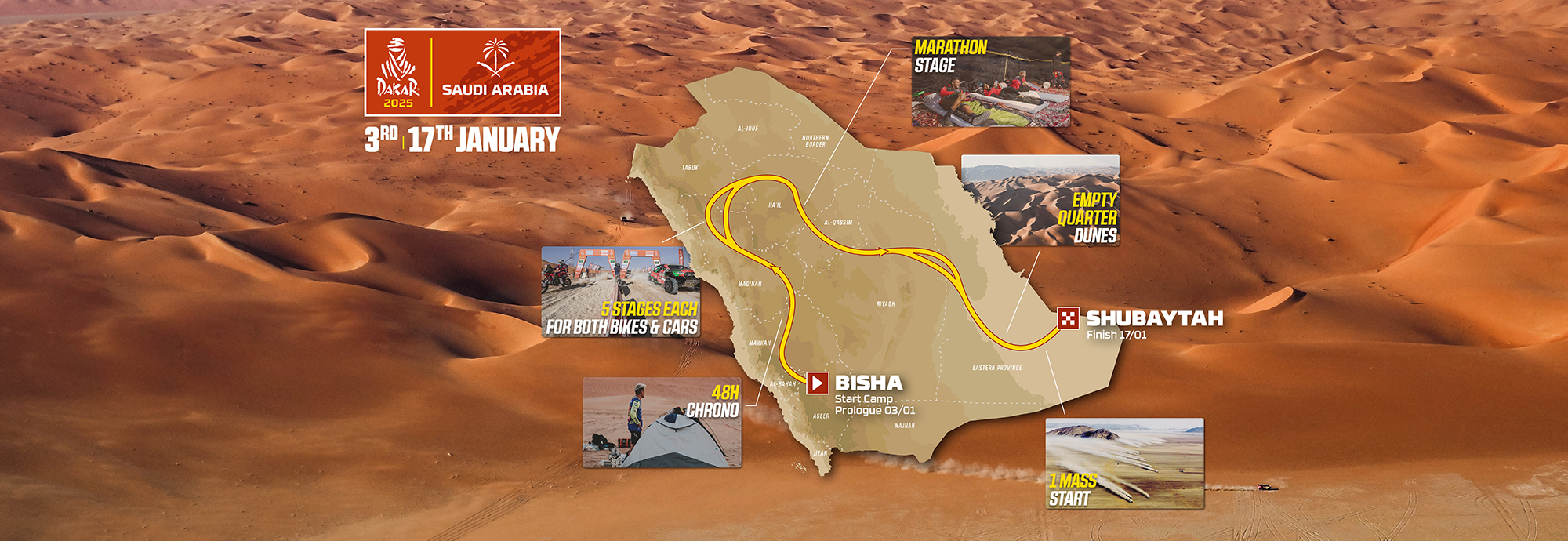
The 2025 Dakar Rally, the world’s most grueling and prestigious off-road endurance race, is set to take place from January 3rd to 17th, 2025. This year’s rally promises to be a thrilling spectacle, with several new features designed to challenge the competitors and captivate the audience.
2025 Dakar Rally Changes :
The first major change is the increased emphasis on navigation. The organizers have decided to make the rally more challenging by adding more navigation stages. This means that the competitors will need to rely more on their navigational skills and less on speed. This change is expected to level the playing field and make the race more unpredictable and exciting.
The second major change is the separation of stages for cars, bikes, and trucks. This is a significant departure from previous years, where all vehicles competed on the same stages. The separation of stages is expected to make the race safer and more competitive, as each class of vehicle will have stages designed specifically for them.
The 2025 Dakar Rally will also feature a mass start, a 48-hour Chrono stage, and a marathon stage. The mass start will see all competitors start the race at the same time, creating a thrilling spectacle for the spectators. The 48-hour Chrono stage will test the endurance and resilience of the competitors, as they will have to race non-stop for two days. The marathon stage, on the other hand, will be a test of the competitors’ mechanical skills, as they will have to service their vehicles without any assistance from their teams.
After more than 30 years, the Dakar Rally has made the decision to eliminate the quad class from its prestigious off-road race starting in 2025. This move leaves the FIM category exclusively focused on two-wheelers. The official announcement by the organizers highlights their intention to shift their attention towards motorcycles, a category that has steadily gained popularity and overshadowed the quads.
Declining Support and New Criteria
The quad category has faced challenges over the years, including dwindling manufacturer support. Currently, CFMOTO stands as the sole OEM with a full factory program in the quad class. Most other riders competing on Yamaha Raptors do so with little or no official backing.
Adding to the class’s struggles, Dakar organizers introduced new criteria in 2024 that significantly restricted quad entries. Only those who had either raced a Dakar in the past five years, signed up for the 2023 or 2024 World Rally Raid Championship, or participated in three W2RC races were eligible. In contrast, motorcycle riders faced less stringent entry regulations, allowing them to build their resume using races dating back to 2022.
Dwindling Participation
The impact of these changes was evident in rider participation. In 2023, there were 19 quad entries. However, in 2024, that number plummeted further to just 10. PabloCopetti, who finished third in the Dakar2023, expressed his concerns when the strict entry rules were announced: “ASO made decisions that are killing the quad class. Only 10 quads this year! It’s a pity because if they accept all the riders, we could be almost 30!”
The Future of Quads in Dakar
While the quad class will not feature in the 2025 edition, organizers have left the door open for a potential return if circumstances change. However, given the continuous decline in interest for Sport ATVs, the prospects for quads in the Dakar seem rather bleak. Motorcycles, on the other hand, remain a constant draw for A.S.O., and organizers believe that’s where their focus should be.
Dakar Rally Director David Castera succinctly summarized the decision: “We have decided to stop the quad category next year in ’25 because we are going to focus more on bikes. We have many demands from competitors, and we want to prioritize motorcycles. With few quads and no manufacturer support, it’s time to pause the quad class.”
The 2022 Dakar Route has been confirmed and this ‘Edition’ will follow a point to point style taking competitors from Ha’il to Jeddah through the ‘Empty Quarter’ of Saudi Arabi.
The event will run from 2nd – 14th January 2021.
Saudi Arabia offers an immense variety of wide open spaces and unique places to satisfy this thirst, even for the most demanding.
In terms of terrain, the route of the 2022 edition will be characterised in particular by a push into the Empty Quarter: a vast expanse of desert with sands and dunes that beckon the drivers and crews of the rally.
Paulo Gonçalves, racing on motorbike no. 8, has passed away from a fall sustained 276 kilometres into today’s special. The organisers received an alert at 10:08 and dispatched a medical helicopter that reached the biker at 10:16 and found him unconscious after going into cardiac arrest. Following resuscitation efforts in situ, the competitor was taken by helicopter to Layla Hospital, where he was sadly pronounced dead.
40-year-old Paulo Gonçalves was taking part in his 13th Dakar. He made his debut in 2006 and had finished four times in the top 10, including an impressive performance as runner-up to Marc Coma in 2015. Paulo Gonçalves, the 2013 cross-country rallies world champion, was sitting in 46th place overall after stage 6 of the 2020 Dakar.
The entire Dakar caravan would like to extend its sincere condolences to his friends and family.
This website uses cookies to improve your experience. We'll assume you're ok with this, but you can opt-out if you wish.AcceptRejectRead More
Privacy & Cookies Policy
Privacy Overview
This website uses cookies to improve your experience while you navigate through the website. Out of these, the cookies that are categorized as necessary are stored on your browser as they are essential for the working of basic functionalities of the website. We also use third-party cookies that help us analyze and understand how you use this website. These cookies will be stored in your browser only with your consent. You also have the option to opt-out of these cookies. But opting out of some of these cookies may affect your browsing experience.
Necessary cookies are absolutely essential for the website to function properly. This category only includes cookies that ensures basic functionalities and security features of the website. These cookies do not store any personal information.
Any cookies that may not be particularly necessary for the website to function and is used specifically to collect user personal data via analytics, ads, other embedded contents are termed as non-necessary cookies. It is mandatory to procure user consent prior to running these cookies on your website.